
Table of Contents
- Overview of Ancient Aliens Series
- Claims About the Anunnaki
- Anunnaki in Sumerian Mythology
- Role in the Epic of Atrahasis
- Anunnaki in Enki’s World Order
- Anunnaki as Netherworld Judges
- Inana’s Descent and Biblical Echoes
- Anunnaki Imprisonment and Parallels
- Creation Myth: Grain and Sheep
- Enuma Elish and Creation Parallels
- Sitchin’s Misinterpretations
- Impact of Ancient Aliens
- Call for Authentic Scholarship
Overview of Ancient Aliens Series
The television series Ancient Aliens, airing for 21 seasons, draws from the works of pseudo-historians like Erich von Däniken and Zecharia Sitchin. It promotes the idea that extraterrestrial astronauts influenced ancient human societies, a claim lacking archaeological evidence but attracting millions with its sensationalized narratives.
Claims About the Anunnaki
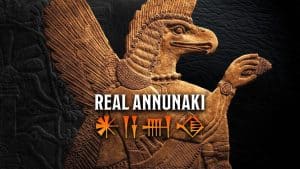
The series asserts that the Sumerian Anunnaki were extraterrestrial beings, a theory rooted in Sitchin’s interpretations. It suggests they visited Earth thousands of years ago, a notion extended to biblical narratives involving the Nephilim, despite the presenters’ lack of expertise in Sumerian mythology or biblical studies.
Anunnaki in Sumerian Mythology
In Sumerian and Akkadian mythology, the Anunnaki are sky deities, offspring of the god An, meaning “sky” in Sumerian. They form part of An’s divine council, residing on the sacred mountain Duku, often linked to Lebanon in texts like the Epic of Gilgamesh. Their name, meaning “those of princely blood,” does not imply extraterrestrial origins.
Role in the Epic of Atrahasis
In the Akkadian Epic of Atrahasis, the Anunnaki, as higher gods, live in heavenly palaces while lower gods, the Igigi, perform earthly tasks. After the Igigi rebel, the Anunnaki and Mami create humans from clay mixed with divine blood to relieve the gods’ labor, paralleling Genesis’s creation of humans from clay and divine breath.
Anunnaki in Enki’s World Order
The Sumerian text Enki and the World Order depicts Inky organizing the world, with the Anunnaki praising his power. They are assigned plots in cities and fields, tasked with determining human fates, ensuring prosperity when Sumer aligns with Inky’s divine plan, unlike the biblical divine council.
Anunnaki as Netherworld Judges
In some myths, such as The Descent of Inana, seven Anunnaki serve as netherworld judges, condemning Inana to death after her attempt to overthrow her sister Ereshkigal. This contrasts with biblical narratives, as these Anunnaki do not judge moral actions but enforce underworld rules.
Inana’s Descent and Biblical Echoes
The Descent of Inana involves Inana’s journey to the netherworld, her death, and revival through divine intervention, with her husband Damuzi taking her place. This myth connects to biblical references, like women weeping for Tamuz (Damuzi) in Ezekiel 8 and the three-day motif in Jonah and Jesus’s resurrection narratives.
Anunnaki Imprisonment and Parallels
In some traditions, 600 Anunnaki are imprisoned in the netherworld by Marduk, possibly linked to Greek myths of Titans in Tartarus or the fallen watchers in Enochic Judaism. References to 600 in the Book of Judges may subtly nod to this association with death.
Creation Myth: Grain and Sheep
In the Sumerian Debate Between Grain and Sheep, the Anunnaki create grain and sheep for human sustenance. The debate over their superiority mirrors the Cain and Abel story in Genesis, though the Sumerian tale ends in reconciliation, with Inky favoring grain, unlike Yahweh’s preference for Abel’s offering.
Enuma Elish and Creation Parallels
The Babylonian Enuma Elish features Marduk defeating Tiamat, using her body to form the sky and earth, and creating humans from divine blood and dirt to serve the gods. The Anunnaki build Babylon for Marduk, paralleling the Genesis account of human creation and the Tower of Babel, though built by humans in the Bible.
Sitchin’s Misinterpretations
Zecharia Sitchin’s books, building on von Däniken’s Chariots of the Gods, claim the Anunnaki were aliens from an undiscovered planet who engineered humans for labor. His flawed translations and lack of archaeological evidence have spread misinformation, equating the Anunnaki with the biblical Nephilim, despite no direct connection.
Impact of Ancient Aliens
Since 2009, Ancient Aliens has amplified Sitchin’s theories, fostering a new wave of pseudo-historians. This has misled millions about Sumerian mythology, archaeology, and biblical narratives, overshadowing the genuine work of historians and archaeologists uncovering ancient beliefs.
Call for Authentic Scholarship
The speaker emphasizes the value of rigorous archaeological and historical research over sensationalist claims. They encourage viewers to explore authentic Near Eastern myths and biblical stories through credible sources, supporting platforms like Myth Vision for accurate knowledge dissemination.
Comments are closed.