
Table of Contents
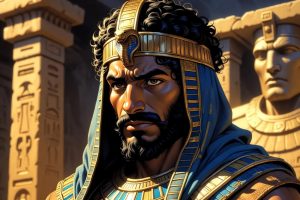
The mighty High Priest Imhotep of Atlantis was ruler of the tribe that took its wisdom to the west to form the Native American culture. The Cherokees were Wise Ones who carried the secrets of Atlantis. They brought their knowledge of shamanism and soul retrieval to the peoples, as well as their special abilities to work with dreams using dream catchers.
One of the gifts that was entrusted to them at the end of Atlantis was that of honouring the land including all things living in it and on it. The Native Americans have been keepers of the ancient wisdom of the Earth ever since. The Wise Ones of the tribes are now reminding humanity that it is important to tread lightly on the ground, for Earth does not belong to us.
According to ancient Cherokee tradition, their ancestors came from the Pleiades to the five islands of Atlantis, where they settled. Then, at the fall of Atlantis, the tribe sailed to the Americas taking their wisdom with them.
Those who were there at the beginning and end of this phase of Atlantis were Thoth, Isis, Horus, Ra, Sett and Imhotep. They were connected to Egypt. Hermes, Zeus, Aphrodite, Apollo, Poseidon and Hera were linked to Greece. Where they took their tribes, and the wisdom they carried with them, are discussed in a later chapter.
Discover Atlantis

What we know about Imhotep
Imhotep was a high official in ancient Egypt who lived in the late 27th century BCE, around 2650 BCE. He served as chancellor and chief minister to Pharaoh Djoser during the Third Dynasty of the Old Kingdom. He also acted as high priest of the sun god Ra at Heliopolis.
Imhotep is best known as the architect of the Step Pyramid of Djoser at Saqqara. This structure was the first true pyramid built in Egypt and one of the earliest large-scale stone buildings in the world. It consists of six stepped levels and reaches about 60 meters (196.85 feet) in height. The pyramid forms the center of a large funerary complex that includes temples and courtyards.
Contemporary evidence of his importance survives in the form of his name and titles carved on a statue base of Pharaoh Djoser found at the Saqqara site. Later traditions describe him as a physician, scribe, and wise man who contributed to early medicine and learning.
After his death, Egyptians gradually came to revere Imhotep. By the Late Period and Greco-Roman times, he was worshipped as a god of medicine and wisdom. The Greeks identified him with their own healing god, Asclepius.

