
Table of Contents
The Havfrue (literally “sea woman”) is a prominent figure in Scandinavian folklore. These beings are often described as part-human, part-fish creatures, similar to mermaids in other cultures. Below are some key aspects of Havfrue legends:
Physical Appearance
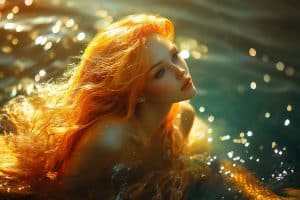
The Havfrue is typically depicted as a beautiful woman with long flowing hair and the lower body of a fish.
Her hair is often golden or seaweed-like and plays a significant role in her mythology, sometimes symbolizing her connection to the ocean.
Behavior and Traits
Havfrue are often associated with both benevolent and dangerous qualities. They may help sailors by guiding them to safety, but they can also lure ships to their doom.
They are frequently linked to singing or calling out to sailors with enchanting voices, reminiscent of sirens in Greek mythology.
Symbolism
The Havfrue is closely tied to the ocean, representing its beauty and peril.
In some stories, they are guardians of underwater treasures or secrets, adding a mystical aspect to their lore.
Cultural Variations
In Norwegian and Danish tales, the Havfrue often appears as a warning figure, cautioning against disrespecting the sea.
Icelandic versions of similar beings may portray them as less romanticized, focusing more on their magical or supernatural abilities.
Modern Interpretations
The Havfrue remains a popular subject in Scandinavian art and literature, embodying the region’s deep connection with the sea.
Some modern retellings emphasize environmental themes, portraying the Havfrue as protectors of the marine environment.
Related Figures
The Maren or Mare is similar to the Havfrue, though the term is more commonly associated with nightmarish spirits in Norse folklore.
Historical context
The origins of the Havfrue (sea woman) in Scandinavian folklore are difficult to pinpoint exactly, but they can be traced back to at least the early medieval period and possibly earlier.
Pre-Christian Norse Mythology
Elements of the Havfrue legend may stem from Norse mythology, which includes many beings associated with water, such as the Ægir and his daughters, the nine wave maidens.
Stories of shape-shifting water spirits and sea-dwelling beings, like the nykr (water horse), also suggest early influences on the Havfrue’s characteristics.
These myths predate the Christianization of Scandinavia, which began around the 8th to 11th centuries.
Medieval Period
During the Viking Age (approximately 8th–11th centuries), Scandinavians were prolific seafarers. This period likely contributed to the development of tales about supernatural beings associated with the sea.
The Havfrue begins to appear more explicitly in Scandinavian folklore during the medieval period, often influenced by the widespread European concept of mermaids that was flourishing in the Middle Ages.
Christian Influence
As Christianity spread through Scandinavia, earlier pagan stories of sea spirits and deities were transformed. The Havfrue was likely recast in some stories as a morally ambiguous figure—sometimes helpful, sometimes dangerous—reflecting Christian views of temptation and sin.
Written Accounts
The earliest written accounts of beings resembling the Havfrue appear in sagas and chronicles from the medieval period. For example:
The Icelandic Konungs skuggsjá (“King’s Mirror”) from the 13th century mentions sea creatures resembling humans.
Scandinavian ballads and oral traditions, some dating back to the 15th and 16th centuries, include stories of sea maidens or similar beings.


Comments are closed.